Address
304 North Cardinal
St. Dorchester Center, MA 02124
Work Hours
Monday to Friday: 7AM - 7PM
Weekend: 10AM - 5PM
Best quality pouches in the global market
Fast shipping and delivery worldwide
Top quality 100% authentic nicotine pouches
Buy online now


I’ve gone through more tins of nicotine pouches than I’d like to admit while putting this guide together. Some were great. Some tasted like toothpaste and regret. That’s kind of the point of this page. Instead of one brand telling you their pouch is the best (spoiler: they all say that), this is a straight, honest breakdown of everything worth knowing before you buy your next can.
Nicotine pouches went from a niche Scandinavian habit to one of the fastest-growing nicotine categories in the US and UK in just a few years. Northerner points out there isn’t one single “best” pouch, it really comes down to your own preferences for flavor, strength, and pouch style. That’s the honest truth, and it’s exactly why this page covers every angle instead of just handing you a top 5 list and calling it done. 📋
Whether you’re switching from cigarettes, cutting back on vaping, or just curious about the whole tobacco-free pouch thing, you’re in the right spot. We’ll cover what these things actually are, how they work in your body, how to pick a strength that won’t wreck your first try, which flavors and brands are worth your money, who should avoid the strong stuff, how to store your stash so it doesn’t dry out, and yes, where you can actually find free nicotine pouches to test before you commit to a full order.
This page gets reviewed and updated regularly. Nicotine pouches are a fast-moving category, new brands launch constantly, and the FDA keeps updating its authorized product list, so treat this as a living guide rather than something written once and forgotten.
A quick note before we start: nicotine pouches are intended for adults (21+) who already use nicotine. If you don’t currently use nicotine products, there’s no health reason to start. Nothing here is medical advice. Talk to a doctor if you have questions about your own health or you’re trying to quit nicotine altogether.
A nicotine pouch is a small, soft packet you tuck between your gum and your upper lip. Inside, you’ll find nicotine, some plant fiber filler, flavoring, a sweetener, and a pH adjuster. That’s really it. No tobacco leaf, no smoke, no spit involved in most modern formats.
PMI Science breaks the ingredient list down to five main components across most pouches: nicotine, fillers and stabilizers, pH adjusters, water (in moist products), and flavors and sweeteners. Every brand tweaks the ratio a little, which is part of why one company’s 6mg pouch can feel different from another’s.
You leave the pouch in for anywhere from 15 minutes to over an hour. Nicokick surveyed almost 2,000 of their own customers and found 48% keep a pouch in for 30 to 60 minutes, 33% go under 30 minutes, and 19% leave one in for over an hour. Then you toss it. No ashtray, no vape cloud, no lingering smell on your clothes.
This is different from traditional snus, which uses actual ground tobacco leaf. Modern nicotine pouches are “tobacco-free” or “all-white,” meaning the nicotine is either extracted and purified from tobacco or made synthetically in a lab, with the leaf material itself left out entirely. That’s a big part of why pouches don’t stain your teeth the way old-school chewing tobacco or dip does. 🦷
The category really took off in the US after ZYN’s launch, and it’s grown fast since. Vape City USA notes ZYN alone has sold over 520 million cans in the US, and that number climbed even higher once ZYN products received FDA marketing authorization. We’ll dig into what that authorization actually means (and doesn’t mean) in the safety section below.
Here’s where it gets genuinely interesting, and where a lot of guides gloss over the details.
The basic mechanism. When you place a pouch between your gum and lip, your saliva starts dissolving the ingredients packed inside it. Nicokick explains that moisture entering the pouch dissolves the ingredients and carries them out through the pouch material, where nicotine crosses through the oral mucosa (that’s the soft tissue lining your mouth) and enters your bloodstream directly.
Why pH matters so much. Nicotine on its own is what’s called an alkaline alkaloid, and its chemistry only allows it to cross into your bloodstream easily when it’s in its “unprotonated” or free-base form. A peer-reviewed narrative review published on PMC explains that nicotine has a pKa of about 8.01, meaning that as the pH of the product rises, more of the nicotine shifts into that easily absorbed form. Recent testing found nicotine pouches average a pH around 8.8, which works out to roughly 86% of the nicotine sitting in that absorbable state.
This is why every pouch brand adds a pH adjuster like sodium carbonate or sodium bicarbonate. Without it, most of the nicotine would stay locked in a form your mouth can’t absorb well, and the pouch would barely do anything. Jade Pouch describes this pH shift as the step that “unlocks” the nicotine for efficient absorption through your mouth.
Nicotine salt vs. synthetic nicotine. Most pouches use a nicotine salt form (something like nicotine bitartrate) rather than raw nicotine. Snus Direct points to research on vaping products showing nicotine salts get absorbed 30 to 40% faster than freebase nicotine, letting users hit peak blood nicotine levels sooner. Pouches borrow this same chemistry. Some brands use tobacco-derived nicotine (extracted from the plant and purified), while others use fully synthetic nicotine made in a lab with no tobacco plant involved at all. Chemically, once purified, they’re nearly identical.
Moist vs. dry pouches feel different, even at the same strength. This trips up a lot of new users. Nicokick notes that some people swear dry pouches feel stronger or faster, but clinical studies actually show moist pouches release nicotine faster, because the extra moisture helps dissolve and move the ingredients out of the pouch more quickly. Dry pouches need to soak up your own saliva first, which is why they can feel more concentrated once they finally kick in.
Absorption rate compared to smoking. Snus Direct also notes that a typical cigarette only delivers 1-2mg of absorbed nicotine per smoke (roughly 10% of what’s actually in the tobacco), while nicotine pouches generally land in the 25-30% absorption range through the mucous membranes in your mouth. That’s a meaningfully more efficient delivery method, gram for gram, which is part of why “just use the same mg number as your cigarettes” isn’t quite the right way to compare the two.
Bottom line: the mg number on the can tells you how much nicotine is packed in, not exactly how much you’ll actually absorb. Moisture, pH, pouch format, and how long you keep it in your mouth all change the real-world experience. That’s why two 6mg pouches from two different brands can feel worlds apart. 🧪
This is probably the single most important section on this page. Getting your strength right is the difference between a genuinely enjoyable pouch and a rough, nauseating first experience that puts you off the category entirely.
Nicotine pouch strengths are measured in milligrams (mg) of nicotine per pouch in the US, and sometimes in mg per gram in Europe. Northerner points out that the labeled strength doesn’t guarantee you’ll absorb the full amount. In one clinical study they cite, users who kept a pouch in for a full hour only extracted about half of the labeled nicotine on average.
Here’s a strength tier breakdown pulled together from multiple current retailer guides:
| Tier | Typical Range | Who It’s For | Example Brands/Products |
|---|---|---|---|
| Zero/Nicotine-Free | 0mg | People who want the ritual without any nicotine | Loop Zero |
| Light | 1.5mg – 4mg | First-time users, never used nicotine before | ZYN Mini 3mg, VELO 4mg |
| Regular/Mild | 4mg – 8mg | Light smokers, vapers switching over | ZYN 6mg, VELO 7mg, On! 4mg |
| Strong | 7mg – 13mg | Regular daily smokers, experienced pouch users | Rogue 6mg, Killa 8-13mg, Lucy 12mg |
| Extra Strong | 14mg – 25mg | Heavy smokers, established pouch tolerance | White Fox 16-18mg, Pablo 15-24mg |
| Ultra/Extreme | 25mg – 50mg+ | Only for very high-tolerance, experienced users | Pablo Exclusive 30mg+, Siberia 43mg, Kordula 50mg |

Mint remains the single most popular category by a wide margin. Nicozon calls it the safest default for a first-time switcher, in part because ZYN’s Cool Mint and Spearmint sit within the brand’s FDA-authorized lineup, and mint’s cooling sensation helps mask the mild tingle new users sometimes feel.
Watch out for flavor fatigue. Nicozon makes a great point here: using the exact same intense flavor all day can dull how strongly you perceive it, which can nudge some users toward a stronger strength just to “feel something” again, even though their actual tolerance hasn’t changed. HitSnus suggests rotating between two or three flavor families (say, one mint, one fruit, one wildcard like coffee) to keep each one feeling fresh.
Does flavor affect how strong a pouch feels? Kind of, yes. Northerner notes some users report that mint, menthol, and citrus flavors can make a pouch feel more intense than the mg number alone would suggest, likely because the cooling or tingling sensation gets mentally associated with nicotine strength.
One more real trend worth flagging: coffee and other “grown-up” flavor profiles are gaining ground fast in 2026. Nicozon points out this shift is aimed at older switchers who find sweet fruit flavors off-putting and want something closer to a bitter, savory note instead. ☕
The brand landscape moves fast, but a handful of names consistently show up across every major retailer’s bestseller list. Here’s a rundown of the brands worth actually knowing.
ZYN 🇸🇪 Made by Swedish Match (part of Philip Morris International), ZYN is the biggest name in the US market by a wide margin. Vape City USA describes its mini-dry format as producing almost no spit, with 15 pouches per can in 3mg or 6mg strengths across 10 flavors including Cool Mint, Wintergreen, and Coffee. ZYN is also currently the brand with the most FDA-authorized products on the market.
VELO 🍊 The second-largest brand in most markets. SnusDaddy highlights VELO’s wide flavor range, including Orange Spark, Arctic Grapefruit, and Blue Raspberry, plus its “sensation” line that produces a tingling, warming feeling on the gums beyond the standard cooling effect.
On! 🎯 Known for a noticeably smaller, more discreet pouch format. DarePouch notes On! pouches run about 40% smaller than typical competitors, which appeals to users who want the lowest possible profile under their lip.
Rogue 🇺🇸 An American-made brand with a wider flavor lineup than ZYN. Vape City USA counts 11 Rogue flavors across 3mg and 6mg strengths, with a slightly plumper pouch than ZYN’s mini format, meaning more pouches per dollar for people who go through cans quickly.
ALP 🚀 Called “the next big brand” by industry watchers in the Vape City USA rankings. ALP uses a moist format across 8 flavors and three strengths (3mg, 6mg, 9mg), and its 9mg option fills a gap that neither ZYN nor Rogue currently covers in the mainstream US market.
Lucy 📈 Known for pushing higher into the “mainstream but strong” territory, with strengths reaching 12mg, which Vape City USA calls the highest strength among mainstream (not extreme-niche) US pouch brands.
White Fox 🦊 A European import that skips soft strength labels entirely. PouchSpot notes White Fox starts at 12mg and doesn’t even print the word “Strong” on its cans, because by the brand’s own internal scale, that’s just the baseline.
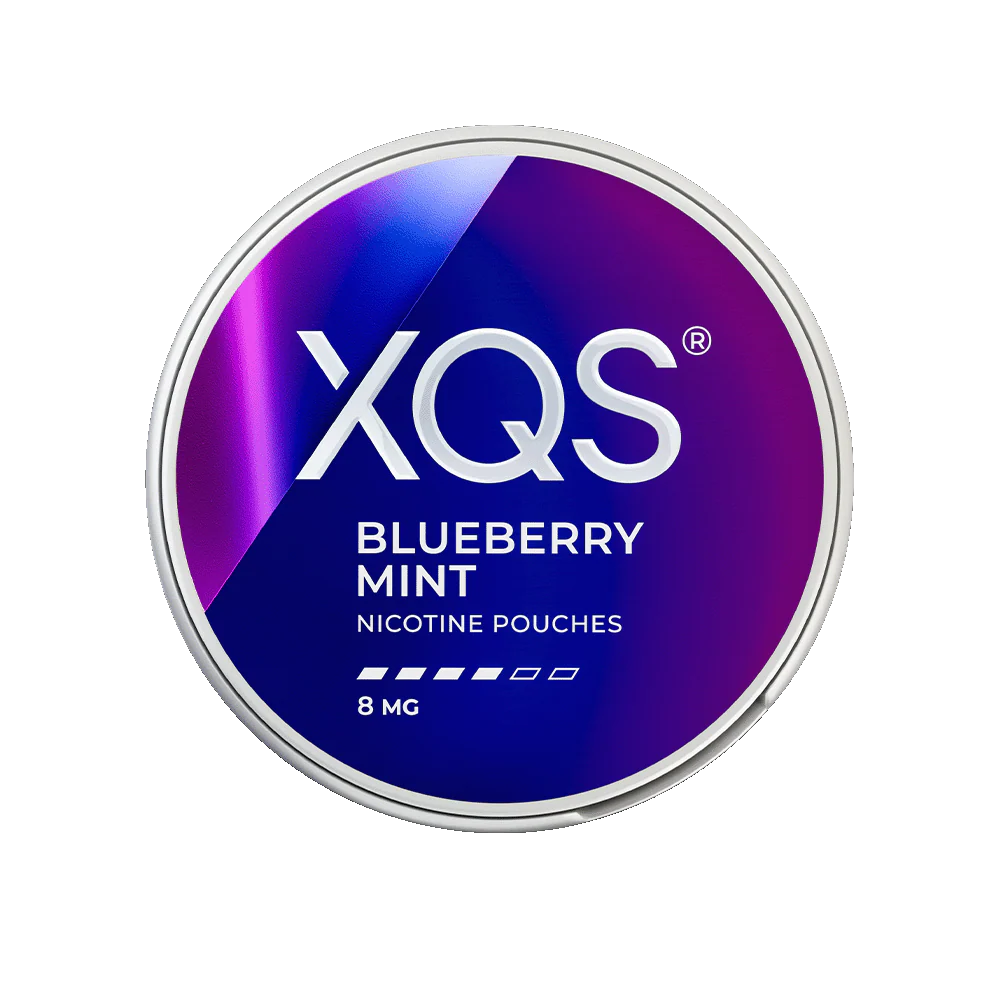
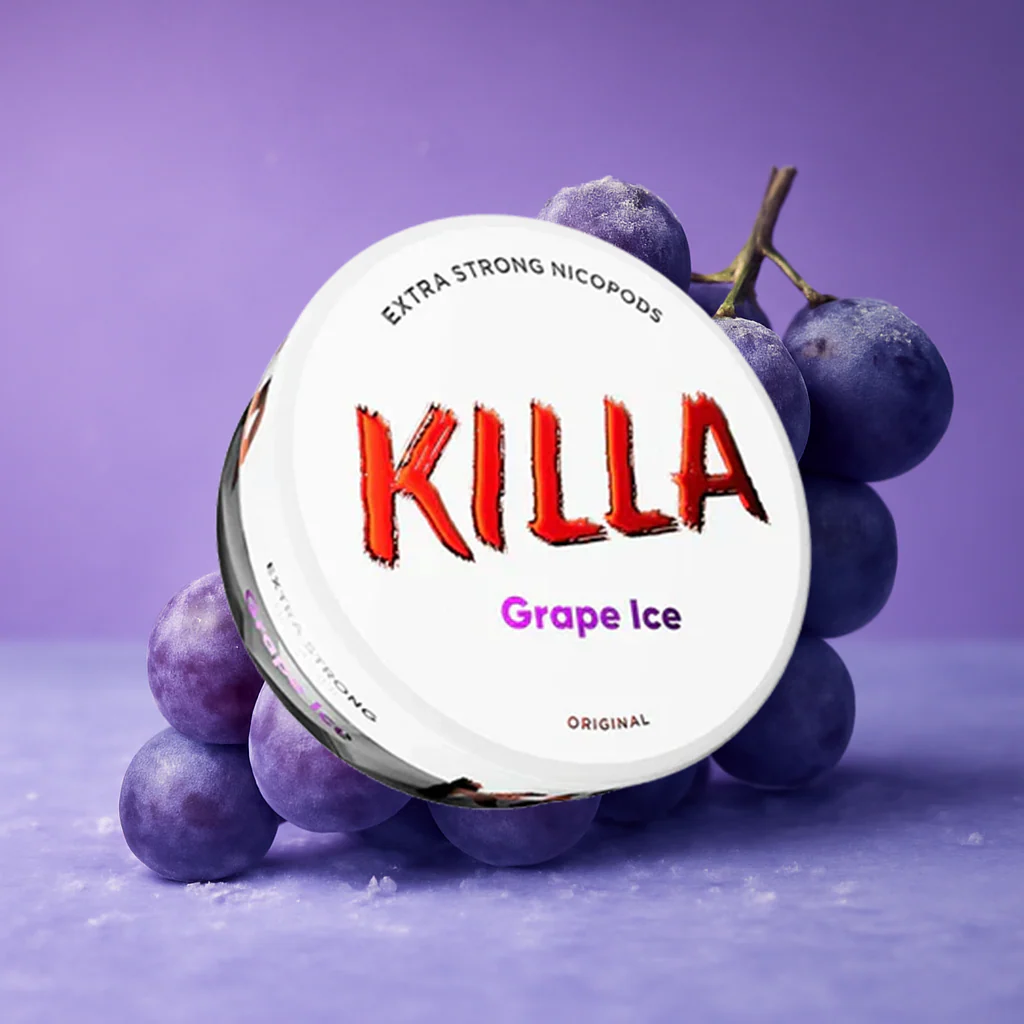
Killa and Pablo ⚡ Both produced by the same European manufacturer group. Europe Snus describes Killa as the everyday-bold option with consistent strength around 8-13mg, while Pablo pushes into genuinely extreme territory, from 15mg up to 30mg (and specialty lines even higher). Haypp’s comparison sums it up well: pick Killa for reliable daily strength, pick Pablo when you specifically want maximum power.
Nordic Spirit, EOS, Juice Head, CLEW, and LOOP round out the rest of the popular field, each carving out a slightly different niche, from EOS’s simple beginner-friendly approachability to Juice Head’s fruit-forward specialty blends and LOOP’s faster-release “InstantRush” technology.
Here’s a side-by-side snapshot of the most searched brands:
| Brand | Strength Range | Known For | Best Suited For |
|---|---|---|---|
| ZYN | 1.5mg – 18mg | Consistency, FDA-authorized lineup, huge flavor range | Everyone, especially beginners |
| VELO | 4mg – 17mg | Flavor variety, “sensation” tingling effects | Fruit and citrus fans |
| On! | 2mg – 8mg | Ultra-discreet small format | Users who want minimal bulk |
| Rogue | 3mg – 6mg | More pouches per can, bold flavors | Value-focused daily users |
| ALP | 3mg – 9mg | Fast-growing, moist format | Users wanting a 9mg sweet spot |
| Killa | ~8mg – 13mg | Consistent strong daily use | Intermediate/advanced users |
| Pablo | 15mg – 30mg+ | Maximum strength | Experienced, high-tolerance users only |
| White Fox | 12mg – 18mg | No soft labels, straightforward strength | Users who already know they want strong |
If this is your first time trying a nicotine pouch, or your first time trying nicotine at all, please start here before anywhere else on this page.
The single biggest mistake beginners make is overestimating their tolerance. Lighter USA puts it plainly: even people who’ve smoked or vaped before often overshoot their first pouch strength, because nicotine absorbed through the gums behaves differently than nicotine absorbed through the lungs.
If you’ve never used any nicotine product: start at 1.5mg to 3mg in a mini or dry format. SnusDaddy’s beginner guide specifically recommends ZYN Mini Black Cherry 3mg as a starting point, since the nicotine hits steadily instead of flooding your system, and the flavor combination (cherry, forest berry, vanilla) makes the first session pleasant rather than harsh.
If you’re switching from cigarettes or vaping: 3mg to 6mg is the sweet spot for most people. SnusFriend recommends white (dry) pouches over moist ones for your very first purchase, since dry formats release nicotine more slowly for a gentler introduction. Try one pouch and wait 30 minutes before deciding whether you need another.
Stick to mint or fruit flavors at first. SnusFriend notes fruit flavors work fine, but mint tends to feel more familiar for people transitioning off menthol cigarettes or menthol vape juice specifically.
What to actually expect physically. A gentle tingling or slight burning sensation in the first 2-5 minutes is completely normal, especially with anything above light strength. NicPouches notes this should settle within about 10 minutes; if it doesn’t, the pouch may be too strong for you, or it’s sitting against irritated gum tissue.
A quick beginner-friendly starter shortlist:
| Product | Strength | Why It Works for Beginners |
|---|---|---|
| ZYN Mini Spearmint/Cool Mint | 3mg | The most consistent, widely available true entry point |
| ZYN Mini Black Cherry | 3mg | Sweet, smooth, non-mint option for beginners who dislike menthol |
| VELO 4mg | 4mg | Slightly bigger step up with mainstream availability |
| On! 2mg | 2mg | Extremely discreet, ultra-light for the truly nicotine-naive |
| Loop Zero | 0mg | Zero-nicotine option to practice the format risk-free |
If you’ve already built up a real tolerance and the mainstream strengths just don’t do much for you anymore, this is your section.
The step-up ladder matters. SlavicSnus lays out a smart progression: months one through three at moderate strength, then 12-16mg products like Killa or VELO’s stronger lines, and only after you’re genuinely comfortable there should you consider extreme-strength products like Pablo or Siberia. Jumping straight to the top tier as a “seasoned smoker” without pouch-specific tolerance is still risky, since oral absorption doesn’t map cleanly onto smoking tolerance.
Killa is the most-recommended “strong but sustainable” daily option. DarePouch frames it as the bridge between mainstream brands like ZYN and genuinely extreme options like Pablo, delivering intensity with flavor variety that holds up for everyday use.
Pablo is the brand people reach for once Killa stops feeling like enough. Grey Haze UK calls Pablo the “undisputed heavyweight champion” of strength, with its Exclusive line hitting roughly 50mg per gram, which works out to around 30mg of nicotine in a single pouch. That’s firmly experienced-user-only territory.
White Fox, Siberia, and Kordula round out the ultra-strong tier. SlavicSnus lists Pablo X Ice Cold and Kordula Arctic as the current strongest legally available products at 50mg/g, followed by Kurwa Max at 45mg/g and Siberia Red at 43mg/g.
A genuinely useful tip most guides skip: strength in mg isn’t the only variable that determines how intense a pouch feels. Zar AirPouch points out that Pablo tends to release nicotine slowly for a steady, sustained strong feeling, while Siberia’s format delivers a faster, sharper initial burst even at a similar mg level. If you find one “50mg” product overwhelming and another manageable, release speed is very likely why.
Experienced-user shortlist:
| Product | Strength | Best For |
|---|---|---|
| Killa (various flavors) | 8mg – 13mg | Daily strong use with genuine flavor variety |
| White Fox | 12mg – 18mg | Straightforward, no-nonsense high strength |
| Pablo Ice Cold | ~24mg | A serious step up once Killa feels routine |
| Pablo Exclusive | Up to 30mg+ | Maximum intensity, high-tolerance users only |
| Siberia Red | ~43mg | Fast, sharp hit for the most seasoned users |
This is one of the most searched questions in the category, and for good reason. With so many brands, strengths, and flavors out there, trying before you buy just makes sense. Here’s how it actually works in 2026.
Brand-direct sample programs are the most reliable route. ZYN UK runs a straightforward program where brand-new customers can claim one free sample can (Spearmint, Citrus, or Coffee) with free delivery, limited to one per new customer. In the US, ZYN takes a slightly different approach: Jade Pouch notes ZYN doesn’t ship free samples directly in the US, but instead offers high-value coupons through its ZYN Rewards program that make trying the brand nearly free.
On! and other brands offer direct-to-home free samples in the US. Jade Pouch lists On! as offering a free sample pack shipped after age verification, alongside newer brands like MaxKick that run their own free trial forms.
Newer tobacco-free brands lean hard into sampling as a growth strategy. ZYLO runs an active free sample program through its ZYLO+ rewards and newsletter sign-ups, sending trial packs featuring a handful of flavors so new users can find their preferred strength and taste before committing to a full order.
What actually happens after you request a sample? ZYLO’s UK guide breaks it down simply: you verify your age, submit a real shipping address, and the sample gets mailed out discreetly. No trick, no hidden subscription trap on the legitimate brand-direct programs, though it’s always worth reading the fine print before submitting your details.
Sample-to-purchase conversion is genuinely high. ZYLO cites user feedback from major review platforms showing over 85% of people who tried a free sample in early 2026 went on to buy a full can within a month, most often citing smooth delivery and clean taste as the deciding factor.
Important legal caveat: check your local flavor and shipping laws first. Jade Pouch flags that some states and cities restrict flavored nicotine product sales entirely, and a few states ban direct-to-consumer nicotine shipping outright. Your specific city or county might have its own rule even if your state allows shipping generally, so a “free sample” offer might only be available to you in an unflavored or tobacco-style option, or might not ship to your address at all.
Quick free sample checklist:
This section matters more than any other on this page, so let’s be direct about it.
Nicotine pouches are not risk-free, even though they’re tobacco-free. University of Utah Health states this clearly: research shows pouches can cause irritation, inflammation, and gum recession right where the pouch sits, and while researchers don’t currently have enough evidence to say pouches directly cause oral cancer, they are actively studying whether the inflammation and cell damage involved could raise cancer risk over time.
Gum health is the most well-documented concern. A dentist writing for Renew Family Dentistry explains that gum recession doesn’t grow back once it happens, and heavy or long-term users are more likely to see recession specifically at the spot where they habitually place their pouch. This mirrors the same localized damage pattern historically seen with traditional chewing tobacco, even in products with zero tobacco leaf involved.
A doctor’s take, published in Forbes, adds more detail. Dr. Jesse Pines explains that nicotine acts as a vasoconstrictor, narrowing blood vessels and reducing blood flow to gum tissue, which can impair healing and potentially accelerate gum disease. He also notes the American Heart Association’s 2025 policy statement concluded smokeless oral nicotine products are addictive and carry potential adverse cardiovascular effects, while acknowledging long-term outcome data is still limited.
FDA authorization is real, but it doesn’t mean “safe.” This is genuinely one of the most misunderstood facts in the category. Scientific American reported that when ZYN products became the first pouches authorized by the FDA, that authorization fell short of the FDA’s “generally safe” designation, it simply allows those specific products to continue being sold and marketed. The FDA itself is explicit about this distinction on its own site, stating directly that authorization does not mean these products are safe or “FDA approved.”
Most brands still aren’t FDA authorized at all. A public health monitoring letter on PMC notes that as of the most recent count, only ZYN products had received FDA authorization, while the large majority of other brands on the market continue to sell without it, since oral nicotine pouches don’t fit neatly into existing tobacco regulatory categories.
Some products have tested positive for concerning trace compounds. Per the Forbes piece, some nicotine pouches have tested positive for trace tobacco-specific nitrosamines, and in some cases trace formaldehyde and heavy metals like nickel and chromium. This doesn’t mean every pouch or every brand contains these, but it’s a real reason to buy from established, transparent brands rather than obscure or unregulated ones.
Child safety is a serious, practical concern. The FDA has directly called on manufacturers to use child-resistant packaging, warning that the bright, colorful can designs can tempt young children, and that even small amounts of nicotine can be harmful or potentially fatal if a child gets into a can. If you have kids or grandkids in the house, treat your pouch tin the same way you’d treat any medication or cleaning product: sealed, stored up high, and out of sight.
If you suspect accidental nicotine exposure or poisoning (in a child or anyone else), the FDA directs people to call Poison Control immediately at 1-800-222-1222. Don’t wait to see if symptoms appear first.
Nicotine addiction is the core risk, full stop. The American Lung Association doesn’t sugarcoat this: nicotine pouches deliver high concentrations of nicotine absorbed through the mouth, which can lead to rapid, high-dose tolerance and ongoing dependency, alongside gum recession, mouth lesions, and increased blood pressure. If you’re currently trying to quit nicotine altogether rather than switch products, the Lung Association’s free Lung Helpline (1-800-LUNGUSA) connects you with licensed nurses and certified tobacco treatment specialists at no cost.
Who should be extra cautious or avoid pouches entirely:
Proper storage isn’t just about flavor, it genuinely affects how consistent your nicotine strength feels can after can.
The core rule: cool, dry, dark, sealed. One Pound E-Liquid recommends storing pouches in their original sealed container, in a cool, dry place, away from direct sunlight and heat sources. Most brand guidance agrees on keeping cans below about 77°F (25°C).
Refrigeration is optional, not required, but it does help. HitSnus found that proper refrigeration between roughly 2°C and 8°C can extend pouch usability by up to three months beyond room-temperature shelf life, largely by slowing chemical degradation and moisture loss. Just make sure the can stays tightly sealed in the fridge, or it can pick up food odors, and let refrigerated pouches sit out briefly before use if you don’t love a cold pouch.
Never freeze your pouches. Multiple sources agree on this one specifically. FRE Pouch’s storage guide and Alp Pouch both warn that freezing damages the pouch material itself, creating ice crystals that mess with texture and lead to uneven moisture once thawed.
Shelf life expectations. ShipTheLip puts unopened, properly stored cans at roughly 6-24 months of shelf life depending on brand and formulation, while Übbs notes that once you open a can, exposure to air often means noticeable quality decline within just a few weeks to a couple of months, depending on how often you open and reseal it.
Close the lid every single time. It sounds obvious, but HitSnus found that sealed packaging reduces moisture loss by up to 75% compared to leaving a can even briefly unsealed. Make it a habit, not an afterthought.
Signs your pouches have gone stale: dry or brittle texture instead of a soft, moist feel, noticeably faded flavor or smell, and weaker or inconsistent nicotine delivery. ShipTheLip also flags any unusual odor, discoloration, or visible mold as an immediate sign to toss the batch, no exceptions.
Quick storage do’s and don’ts:
| Do ✅ | Don’t ❌ |
|---|---|
| Keep pouches in their original sealed can | Leave cans open or exposed to air for long stretches |
| Store below 77°F (25°C), away from sunlight | Leave cans in a hot car or on a sunny windowsill |
| Refrigerate for longer-term freshness if desired | Freeze pouches, ever |
| Keep cans out of reach of children | Store cans in bathrooms or other high-humidity spots |
| Check for dry texture or faded smell before use | Ignore mold, discoloration, or unusual odor |
A quick comparison since this comes up constantly in searches:
| Nicotine Pouches | Cigarettes | Vaping | Traditional Snus | |
|---|---|---|---|---|
| Tobacco leaf | No | Yes | No | Yes |
| Smoke/vapor produced | None | Smoke | Vapor | None |
| Lung exposure | None | High | Some | None |
| Teeth staining | Minimal to none | Significant | Minimal | Significant |
| Discretion | Very high | Low | Moderate | High |
| FDA authorization status | Only some ZYN products | N/A (legal, regulated separately) | Very few products | N/A |
Vaping360 points out that nicotine pouches aren’t approved as an official nicotine replacement therapy the way pharmacy gum or patches are, but like vaping, they can still work as a lower-risk alternative for current nicotine users trying to move away from cigarettes specifically. They also flag that nicotine-naive users are more likely to feel unpleasant side effects like stomach discomfort or heartburn, another reason strength matters so much for first-timers.

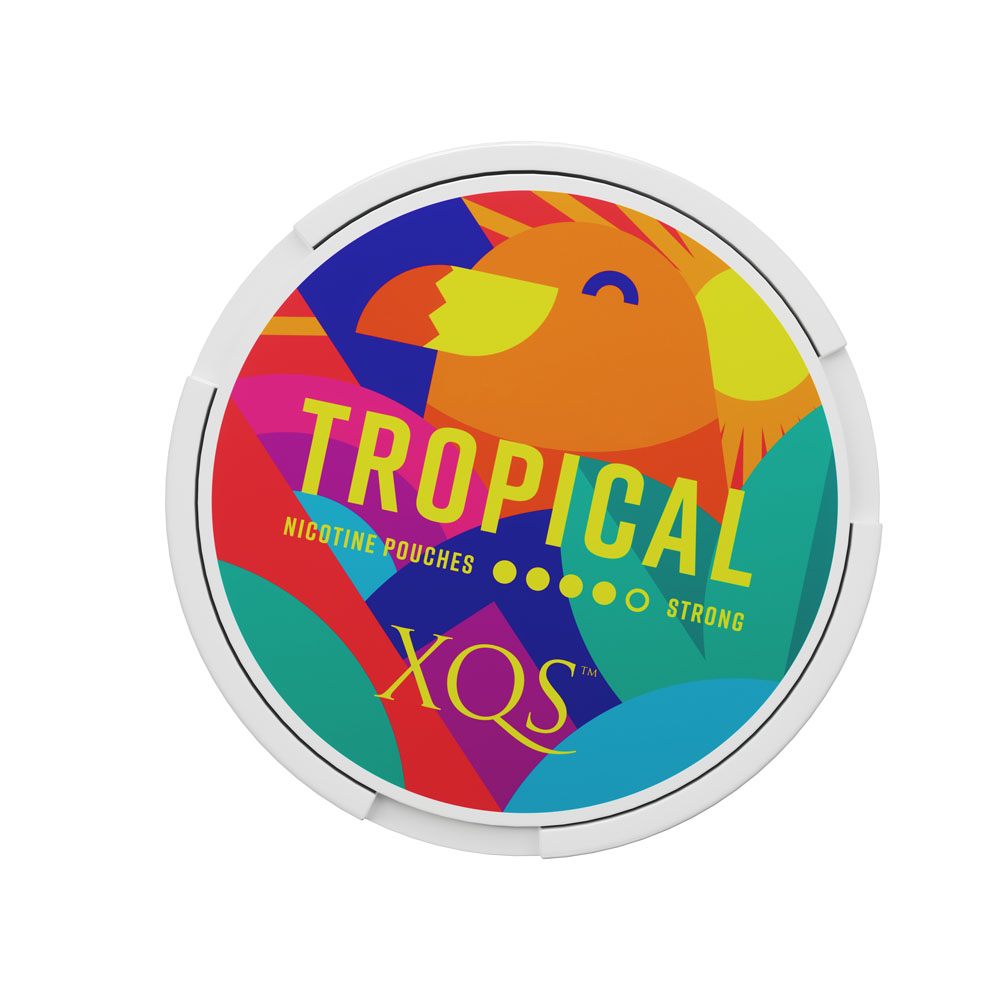
Whether you’re new to nicotine pouches or have been using them for months, you’ve probably searched for answers that are practical rather than marketing-driven. This guide focuses on what current evidence says, where the evidence is still developing, and what users commonly report in real life.
Important: Nicotine pouches contain nicotine, which is addictive. They are not risk-free, and they are not FDA-approved smoking cessation product.
Are nicotine pouches actually safer than cigarettes?
For current smokers, yes, in the sense that pouches involve no combustion, no tar, and no lung exposure, which are responsible for most smoking-related disease. That said, “safer than cigarettes” doesn’t mean “safe.” Pouches still carry real risks around nicotine addiction and gum health.
Do nicotine pouches stain your teeth?
Generally no, since tobacco-free pouches don’t contain the tobacco tannins responsible for staining in traditional snus and chewing tobacco. Some users still notice temporary dry mouth or residue with heavy use.
How long should I keep a pouch in?
Most users keep one in for 30 to 60 minutes. There’s no strict rule, but leaving one in significantly longer doesn’t meaningfully add nicotine once the pouch is mostly depleted, and it does increase gum irritation risk.
Can you overdose on nicotine pouches?
Yes, technically, especially with high-strength products (20mg+) or if multiple pouches are used too close together. Symptoms of too much nicotine include nausea, dizziness, and a racing heartbeat. If you or someone else shows signs of nicotine poisoning, call Poison Control at 1-800-222-1222.
Is a stronger pouch always more effective at curbing cravings?
Not necessarily. Going too strong too fast often just causes unpleasant side effects rather than better craving control. Matching your actual usage pattern (how many cigarettes or vape sessions you’re replacing) matters more than chasing the highest mg number available.
Do nicotine pouches expire?
They don’t “expire” the way food does, but flavor, moisture, and nicotine potency all decline over time, especially after opening. Most brands print a best-by date roughly 12-24 months from manufacture.
What’s the difference between synthetic and tobacco-derived nicotine?
Tobacco-derived nicotine is extracted and purified from the tobacco plant. Synthetic nicotine is manufactured in a lab with no tobacco plant involved at all. Once purified, the two are chemically nearly identical, though some users report subtle taste differences.
Can I get free nicotine pouches without any strings attached?
Legitimate brand-direct sample programs (like ZYN’s UK trial offer, or On!’s US sample form) exist and are genuinely free or near-free for new customers. Always go through the official brand site, verify your local shipping laws first, and read the fine print on any offer before submitting personal information.
Are flavored nicotine pouches being banned?
Regulation varies a lot by location. Some individual US cities and towns have already restricted or banned flavored nicotine pouch sales, and rules continue to shift. Always check your specific state and local laws, since availability can change even when a brand technically ships nationwide.
Which brand is best for someone with no nicotine tolerance at all?
ZYN Mini at 3mg or lower, or a 0mg option like Loop Zero if you just want to try the format without any actual nicotine, are the most commonly recommended safe starting points across nearly every guide referenced on this page.
The nicotine pouch market changes fast. New brands launch, strengths shift, flavors get discontinued and replaced, and regulatory status (especially FDA authorizations) is actively evolving month to month. This page gets reviewed on a regular basis to reflect current brand lineups, current strength ranges, and the latest safety and regulatory information available.
If you spot something here that’s changed (a brand that’s since gone FDA-authorized, a product that’s been discontinued, a new strength tier that’s launched), that’s expected in a category moving this quickly. Treat the core concepts (how strength tiers work, how absorption works, how to store pouches properly) as stable, and treat specific product names and mg numbers as accurate as of this guide’s most recent update, always worth a quick double-check against the brand’s own current product page before you buy.
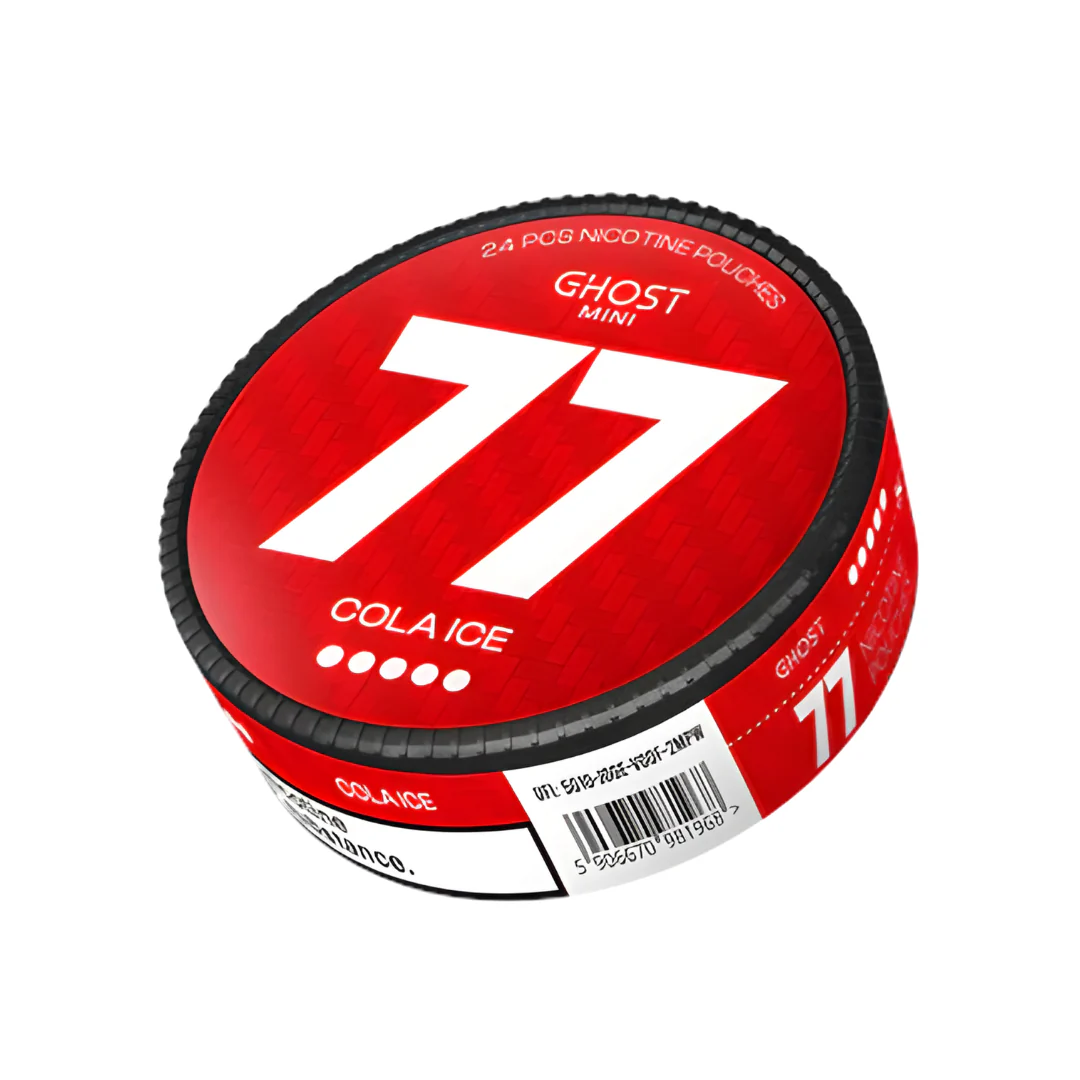
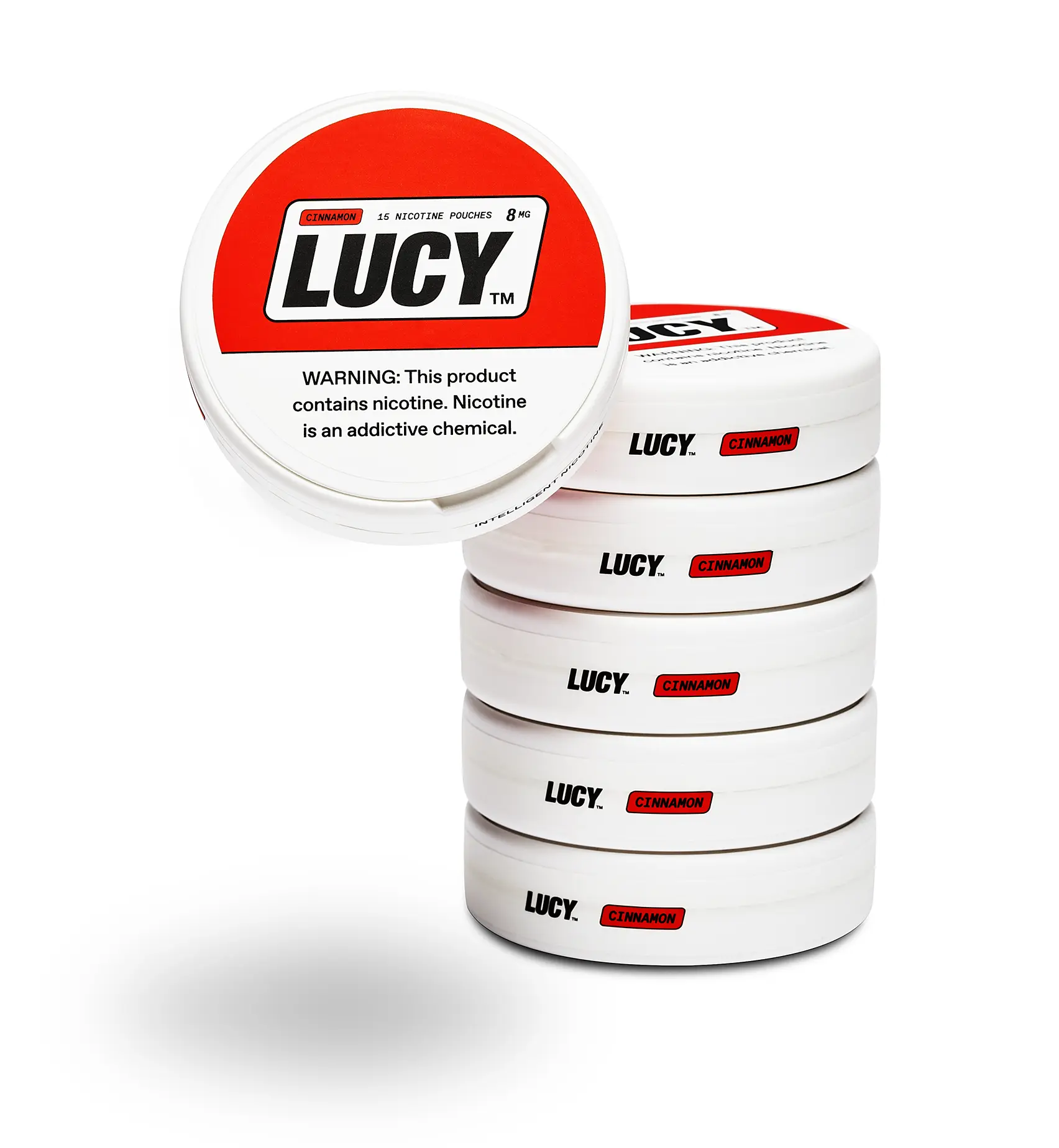
This is one of the most common questions, and the answer depends on what you mean by “better.”
Nicotine gum has the stronger evidence.
Nicotine gum has been studied for decades and is an FDA-approved nicotine replacement therapy (NRT) when used as directed. It is commonly recommended alongside behavioral support to help people stop smoking.
Nicotine pouches, by contrast, are not approved by the FDA as smoking cessation aids, and current research is still limited. A recent Cochrane review concluded there is not yet enough high-quality evidence to determine whether nicotine pouches help people quit smoking as effectively as established treatments.
✅ Nicotine gum
Many people prefer nicotine pouches because they:
This convenience is one reason nicotine pouches have grown rapidly in popularity.
✅ Nicotine pouches
This varies from person to person.
Some users report that nicotine pouches provide a steadier nicotine experience because the pouch remains in place for 20 to 60 minutes, while nicotine gum requires the “chew and park” method to release nicotine effectively. User discussions also suggest that some people find it easier to taper nicotine intake with regulated nicotine gum.
Current evidence suggests that switching completely from cigarettes to authorized nicotine pouch products may reduce exposure to many harmful combustion-related chemicals because there is no burning tobacco. That said, nicotine pouches still contain addictive nicotine and are not considered safe.
| Feature | Nicotine Gum | Nicotine Pouches |
|---|---|---|
| FDA-approved to help quit smoking | ✅ Yes | ❌ No |
| Easy to use | Moderate | Easy |
| Discreet | Moderate | Excellent |
| Requires chewing | Yes | No |
| Long research history | Yes | Limited |
| Wide range of flavors | Moderate | Yes |
If your primary goal is quitting smoking, nicotine gum has stronger clinical evidence. If your priority is convenience or replacing cigarettes with a smoke-free product, some adults choose nicotine pouches, but long-term evidence is still developing.
There isn’t one answer because usage habits vary.
Many commercially available cans contain about 20 pouches, though counts differ by brand.
Most manufacturers recommend roughly 20 to 60 minutes, although comfort varies. Leaving a pouch in longer doesn’t necessarily increase satisfaction and may increase local irritation for some users.
Unopened cans generally stay fresher longer when stored:
Some users refrigerate unopened cans to help preserve flavor, but always follow the manufacturer’s storage guidance.
Yes, most people can.
Unlike nicotine gum, nicotine pouches do not require the same “don’t eat or drink for 15 minutes” instructions that accompany gum. Nicotine gum’s effectiveness can be reduced by acidic foods and drinks such as coffee or soda if consumed immediately before or during use.
With nicotine pouches, many users simply wait a few minutes after eating if their mouth feels especially dry or if they’ve had very spicy or acidic food.
After eating:
If your mouth already feels irritated, inserting a pouch immediately afterward may feel more uncomfortable.
A simple routine is:
Many users find this more comfortable.
Yes, many adults do.
Coffee is one of the most commonly paired beverages with nicotine pouches, especially mint, coffee, or wintergreen flavors.
However, there are a few things to keep in mind.
Both caffeine and nicotine may contribute to a dry-mouth feeling in some people.
If you’re already prone to dry mouth:
Very hot coffee can increase mouth sensitivity.
If the pouch already creates a tingling sensation, adding very hot drinks may make the area feel more irritated.
There is no strong evidence that drinking coffee while using a nicotine pouch significantly reduces nicotine absorption.
This differs from nicotine gum, where acidic beverages can interfere with proper nicotine release if consumed close to chewing.
Many experienced users report that:
These are personal experiences rather than controlled clinical findings.
One of the first things new users notice is the tingling or burning sensation.
For many products, a mild tingling sensation is expected.
Several factors contribute:
Nicotine stimulates nerve endings in the mouth.
Many nicotine pouches use ingredients that raise pH to improve nicotine absorption. This can contribute to the tingling feeling.
Menthol, mint, cinnamon, and some citrus flavors naturally produce cooling or warming sensations.
Usually:
✅ Mild tingling
✅ Slight warmth
✅ Temporary sensation
These often become less noticeable as users become accustomed to the product. User discussions frequently describe the “tingle” as an expected part of the experience.
Stop using it and consider seeking advice from a healthcare professional if you notice:
Persistent symptoms deserve evaluation rather than being ignored.
✔ Rotate the placement of the pouch between sides of your mouth.
✔ Choose a lower nicotine strength if the sensation is too intense.
✔ Stay hydrated.
✔ Avoid placing a pouch directly over an existing sore.
✔ Give irritated areas time to recover before using another pouch in the same spot.

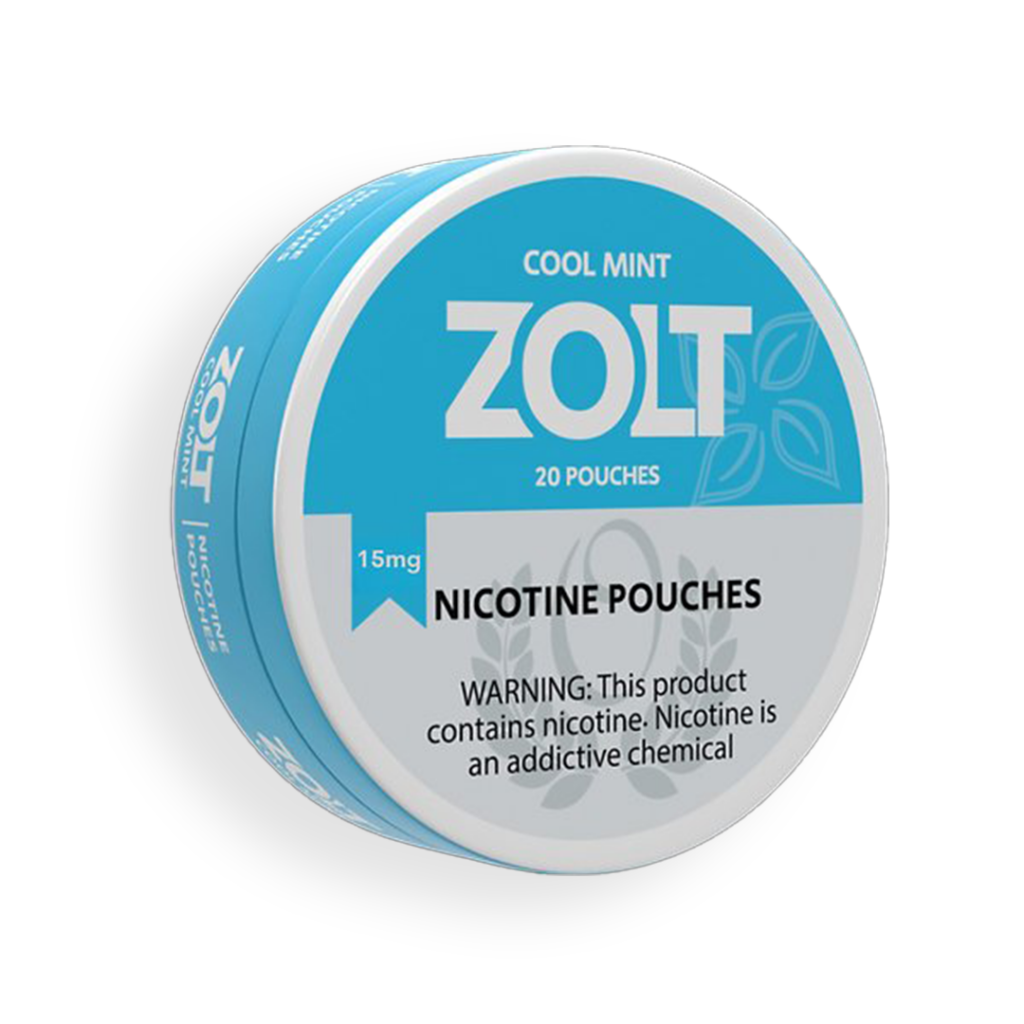
Reminder: Nicotine pouches contain nicotine, which is addictive. They are not risk-free, and long-term research is still evolving. (CDC)
Sore gums are one of the most common complaints among new nicotine pouch users.
For many people, the soreness improves after the first few days. But if it continues or becomes severe, it’s worth paying attention.
Several things can contribute to sore gums.
A nicotine pouch stays pressed against the same area of your gum for 20 to 60 minutes.
If you always place it in the exact same spot, that tissue receives repeated pressure.
Think about wearing the same shoe every day on one foot. Eventually, you may develop a sore spot.
Higher-strength products can feel much stronger on the gums.
Some people tolerate 3 mg well but experience soreness when moving to 8 mg or 12 mg.
Everyone’s tolerance is different.
Manufacturers adjust pH to improve nicotine absorption.
This higher pH can temporarily irritate sensitive oral tissue.
Mint
Wintergreen
Cinnamon
Citrus
These flavors may create more noticeable sensations than milder flavors.
Mild tenderness for the first few uses can happen.
Persistent pain is not something to ignore.
The American Dental Association notes that ongoing oral irritation deserves professional evaluation, regardless of the cause. (ADA)
Stop using nicotine pouches and arrange a dental evaluation if you notice:
❌ Bleeding that doesn’t stop
❌ Open sores
❌ White patches
❌ Swelling
❌ Pain lasting longer than about two weeks
✅ Rotate pouch placement
Move between:
Avoid using exactly the same location every time.
✅ Lower the nicotine strength
Many new users start too high.
Reducing strength often improves comfort.
✅ Give irritated tissue time to heal
If one area feels sore, use the opposite side.
✅ Stay hydrated
Dry tissue becomes irritated more easily.
Many users on Reddit describe soreness during the first week that gradually improves after they rotate pouch placement and choose lower-strength products. Personal experiences vary and shouldn’t replace medical advice. (Reddit)
One of the biggest surprises for first-time users is thinking:
“I don’t feel anything.”
This is actually very common.
Usually, one of these explanations fits.
Cigarettes deliver nicotine to the brain very quickly because nicotine is absorbed through the lungs.
Nicotine pouches work differently.
Nicotine is absorbed gradually through the lining of the mouth.
That slower delivery often feels less dramatic.
If you’ve been smoking heavily or vaping high-strength nicotine, lower-strength pouches may feel weak.
Your brain has become used to larger nicotine doses.
The pouch should rest comfortably under the upper lip.
Constantly moving it around can reduce comfort and make it feel less effective.
Most products are intended to remain in place for 20 to 60 minutes.
Removing the pouch after only five minutes may not allow enough time for nicotine absorption.
Many advertisements emphasize a “strong hit.”
Real-life experiences are often much more subtle.
✔ Wait patiently.
✔ Choose an appropriate nicotine strength.
✔ Follow the manufacturer’s instructions.
✔ Avoid using multiple pouches at once to chase a stronger effect, as this increases the risk of nicotine overdose symptoms.
If you already experience:
a stronger pouch is unlikely to help and may make these symptoms worse.
Dry mouth is one of the most frequently reported side effects.
Fortunately, it’s often manageable.
Several factors may contribute.
Nicotine can reduce saliva production in some people.
Many people use nicotine pouches while working, driving, or exercising.
Mouth breathing during these activities can make dryness worse.
Coffee and energy drinks are common companions for nicotine pouch users.
Both caffeine and nicotine may contribute to a dry-mouth feeling.
Saliva helps:
🦷 protect teeth
🦷 wash away bacteria
🦷 reduce cavities
🦷 support healthy gums
Persistent dry mouth increases the risk of dental problems.
💧 Drink water regularly.
💧 Sugar-free chewing gum between pouch sessions may help stimulate saliva.
💧 Limit alcohol-based mouthwash if it worsens dryness.
💧 Use saliva substitutes if recommended by a dentist.
Headaches can happen, especially during the first few uses.
Usually, they’re related to nicotine itself rather than the pouch material.
This is the most common reason.
Symptoms may include:
These are signs that your nicotine intake may be too high.
Nicotine users sometimes drink less water than they realize.
Dehydration alone can trigger headaches.
Nicotine plus several cups of coffee may increase the chance of headaches for some people.
Some users replace one pouch immediately after another.
This can significantly increase nicotine exposure.
✔ Remove the pouch.
✔ Drink water.
✔ Avoid additional nicotine until symptoms improve.
✔ If headaches continue, consider a lower-strength product.
Seek urgent medical attention if headaches occur alongside:
These symptoms require prompt evaluation.
Almost everyone notices bitterness at some point.
The reasons are surprisingly simple.
Pure nicotine naturally has a bitter taste.
Manufacturers add flavorings to reduce this, but they can’t remove it completely.
During the first few minutes:
Flavor is usually strongest.
After 20 to 30 minutes:
The flavor fades.
Bitterness becomes easier to notice.
Mint
Coffee
Wintergreen
Cinnamon
Some flavors naturally become more bitter as they fade.
Genetics influence taste perception.
Two people using the exact same pouch may describe it completely differently.
Usually, no.
Bitterness alone is expected.
However, if you notice:
❌ mold
❌ unusual discoloration
❌ damaged packaging
discard the product and don’t use it.
✔ Don’t leave the pouch in much longer than recommended.
✔ Drink water after removing the pouch.
✔ Experiment with different flavors if one consistently tastes unpleasant.
✔ Store cans according to the manufacturer’s recommendations to help preserve flavor quality.
| Question | Short Answer |
|---|---|
| Why are my gums sore? | Pressure, nicotine strength, pH, and repeated placement can irritate the gums. |
| Why don’t nicotine pouches seem to work? | Nicotine is absorbed more gradually than with cigarettes, and tolerance, placement, and timing all affect the experience. |
| Why is my mouth dry? | Nicotine and caffeine can contribute to reduced saliva and a dry-mouth feeling. |
| Why do I get headaches? | Common causes include excess nicotine, dehydration, or combining nicotine with other stimulants like caffeine. |
| Why do they taste bitter? | Nicotine has a naturally bitter taste, and bitterness often becomes more noticeable as the added flavor fades. |
One of the biggest selling points of nicotine pouches is that they don’t contain tobacco leaf, unlike traditional moist snuff or chewing tobacco.
Because of this, nicotine pouches are generally less likely to stain teeth than smokeless tobacco products.
However, “less likely” doesn’t mean “impossible.”
Traditional smokeless tobacco contains:
These substances can gradually discolor enamel.
Nicotine pouches don’t contain tobacco leaf, which removes one of the biggest causes of staining.
Several reasons may explain it.
Many nicotine pouch users drink coffee.
Coffee is one of the leading causes of tooth staining.
Black tea contains tannins.
These naturally darken enamel over time.
Another common cause of staining.
Plaque holds pigments against the teeth.
Regular brushing and flossing reduce this buildup.
Small cracks and worn enamel collect stains more easily.
Nicotine itself is nearly colorless.
When exposed to oxygen, nicotine can develop a yellowish appearance, but current evidence suggests nicotine alone isn’t the primary cause of tooth staining.
✅ Brush twice daily.
✅ Floss every day.
✅ Stay hydrated.
✅ Schedule regular dental cleanings.
✅ Rinse with water after coffee.
✅ Don’t keep one pouch in for much longer than recommended.
Dentists generally agree that nicotine pouches are less likely to stain teeth than traditional smokeless tobacco, but they still encourage good oral hygiene because nicotine can contribute to dry mouth, which increases the risk of cavities and gum problems. (American Dental Association)
This sounds simple, but many people aren’t sure of the best way.
Most cans include a small compartment in the lid designed for used pouches.
If you’re away from a trash bin:
This helps reduce litter and odor.
Flushing nicotine pouches isn’t recommended.
They can contribute to plumbing problems and introduce nicotine into wastewater.
Even after use, pouches still contain nicotine.
Nicotine can be harmful if accidentally swallowed, especially by children or animals.
Dispose of them in a closed trash container whenever possible.
No.
The pouch material and remaining nicotine aren’t suitable for standard recycling.
Dispose of them with household waste according to local waste guidance.
Yes, but freezing isn’t usually necessary.
Manufacturers generally recommend storing pouches in a cool, dry place.
If a can freezes accidentally:
Some users refrigerate unopened cans to help preserve freshness.
If you do:
✔ Keep the lid tightly sealed.
✔ Prevent excess moisture from entering the can.
✔ Allow the pouch to return closer to room temperature before use if it feels uncomfortable.
Always follow the storage instructions provided by the manufacturer.
Heat causes more problems than cold.
Leaving cans:
🚗 in a hot car
🌞 on a sunny dashboard
🔥 near heaters
can reduce flavor quality and dry out the pouches.
Traveling with nicotine pouches is usually straightforward, but there are a few things to keep in mind.
For travel within the same country:
Rules vary widely.
Some countries allow nicotine pouches.
Others restrict or prohibit them.
Before traveling, check the official customs or health authority website for your destination to confirm whether nicotine pouches are permitted and whether quantity limits apply.
In many places, nicotine pouches are allowed in carry-on luggage because they don’t contain liquid or batteries.
Still:
✔ Keep them sealed.
✔ Carry only reasonable personal-use quantities.
✔ Follow airline and local regulations.
Store cans:
Cruise lines may have their own policies regarding nicotine products.
Review the cruise operator’s rules before departure.
Whether you’re a first-time user or have been using nicotine pouches for years, these habits can improve comfort and reduce common problems.
Don’t use the exact same spot every time.
Water helps reduce:
💧 dry mouth
💧 bad breath
💧 irritation
If you’re new to nicotine pouches, beginning with a lower strength may reduce the chance of headaches, nausea, or gum discomfort.
Leaving a pouch in much longer than recommended doesn’t necessarily increase satisfaction and may increase irritation.
Healthy gums should recover quickly.
If symptoms persist, stop using the product and seek advice from a dentist or healthcare professional.
Fact: They avoid many harmful chemicals produced by burning tobacco, but they still contain addictive nicotine and aren’t risk-free.
Fact: Higher strengths increase the chance of side effects such as nausea, dizziness, headaches, and gum irritation.
Fact: Manufacturers typically recommend limited use times. Prolonged contact may increase irritation.
Fact: A mild tingling sensation is common, especially with mint or higher-strength products. Severe or persistent pain is not normal and should be evaluated.
Nicotine gum has stronger evidence for smoking cessation because it’s an FDA-approved nicotine replacement therapy. Nicotine pouches may be more convenient for some adults but aren’t approved as smoking cessation products.
A mild tingling sensation can result from nicotine, product pH, and certain flavorings. Severe or persistent pain isn’t expected.
They’re generally less likely to stain teeth than traditional smokeless tobacco because they don’t contain tobacco leaf. Good oral hygiene remains important.
Many people do, but coffee and nicotine together may contribute to dry mouth for some users.
Place used pouches in the lid compartment if available, then dispose of them in household trash. Avoid flushing them, and keep them away from children and pets.
Nicotine pouches have become increasingly popular because they’re smoke-free, discreet, and easy to use. But they’re not the right choice for everyone, and understanding how they work can help you use them more comfortably and responsibly.
Simple habits such as staying hydrated, rotating pouch placement, choosing an appropriate nicotine strength, and maintaining good oral hygiene can reduce many of the common issues people experience.
If you develop persistent mouth sores, severe gum pain, swelling, or other symptoms that don’t improve, it’s important to stop using the product and seek advice from a healthcare professional or dentist.
There’s no single “best” nicotine pouch, and honestly, anyone who tells you otherwise is probably trying to sell you something. What actually matters is matching the strength to your real tolerance, picking a flavor family you’ll genuinely want to use again, buying from a brand that’s transparent about ingredients, and storing your stash properly so every pouch performs the way it’s supposed to.
Start lower than you think you need. Rotate your flavors. Read the actual mg number, not just the marketing label. And if you’re on the fence about a brand, grab a free sample before committing to a full order. That’s really the whole formula.
Be the first to be updated on all new drops


